Filing a hail damage roof claim can feel stressful, especially if you have never dealt with roof damage or insurance paperwork before. However, understanding the process early makes a big difference. In this guide, we explain how hail damages roofs, what insurance terms mean, and how to file a claim the right way. By the end, you will feel confident protecting your home and avoiding common mistakes.
Common Hail Damage Terms Every Homeowner Should Know
Understanding insurance and roofing terms helps you stay in control of your hail damage roof claim. Below are important terms explained in simple language.
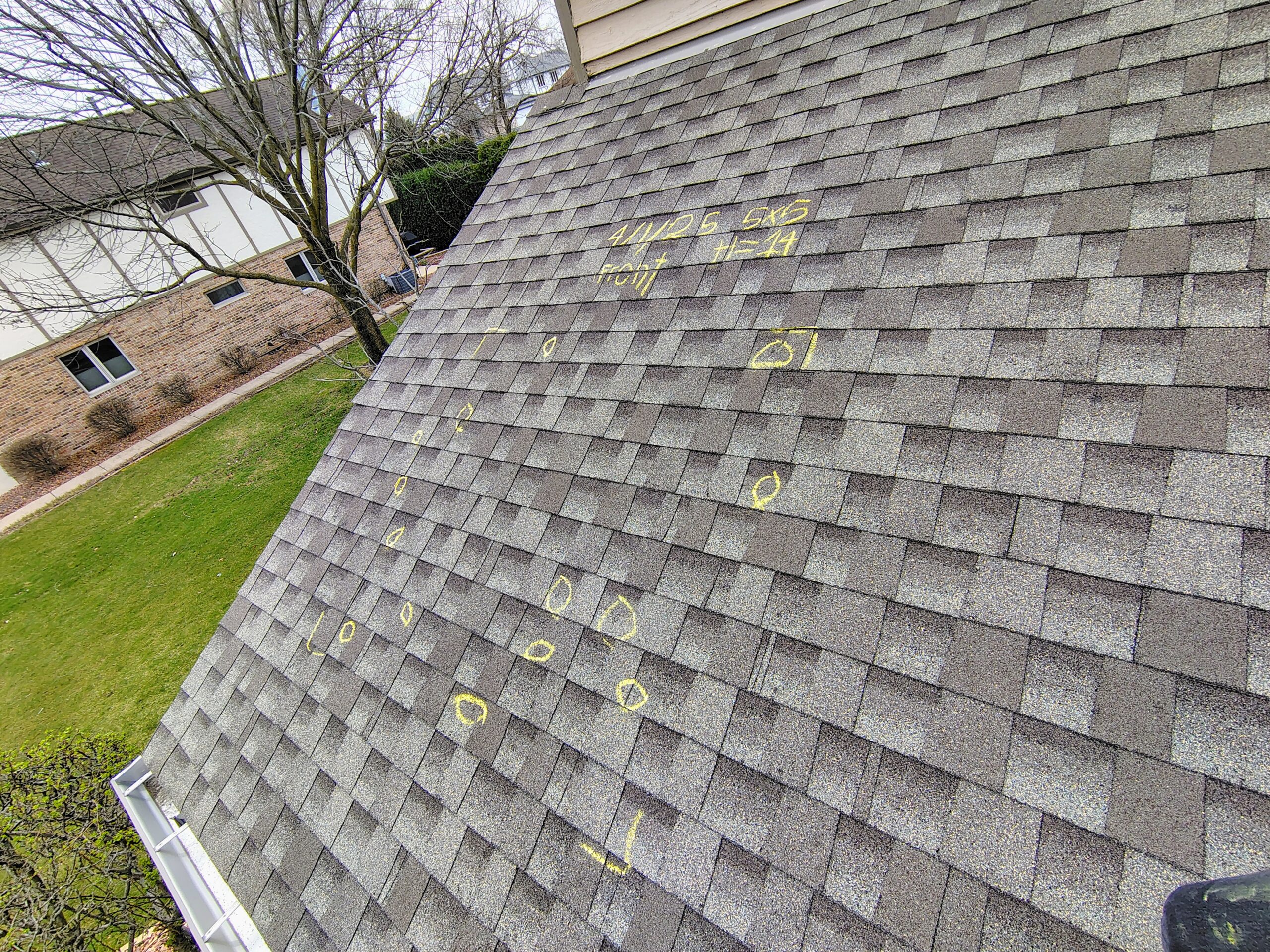
Hail Impact Marks
Hail impact marks are dents or impressions left on roofing materials by hailstones.
Tip: Even small marks can point to deeper damage beneath the surface.
Granule Loss
Granules protect asphalt shingles from sun and weather damage. When hail knocks them off, shingles wear out faster.
Why it matters: Granule loss shortens your roof’s lifespan.
Soft Metal Damage
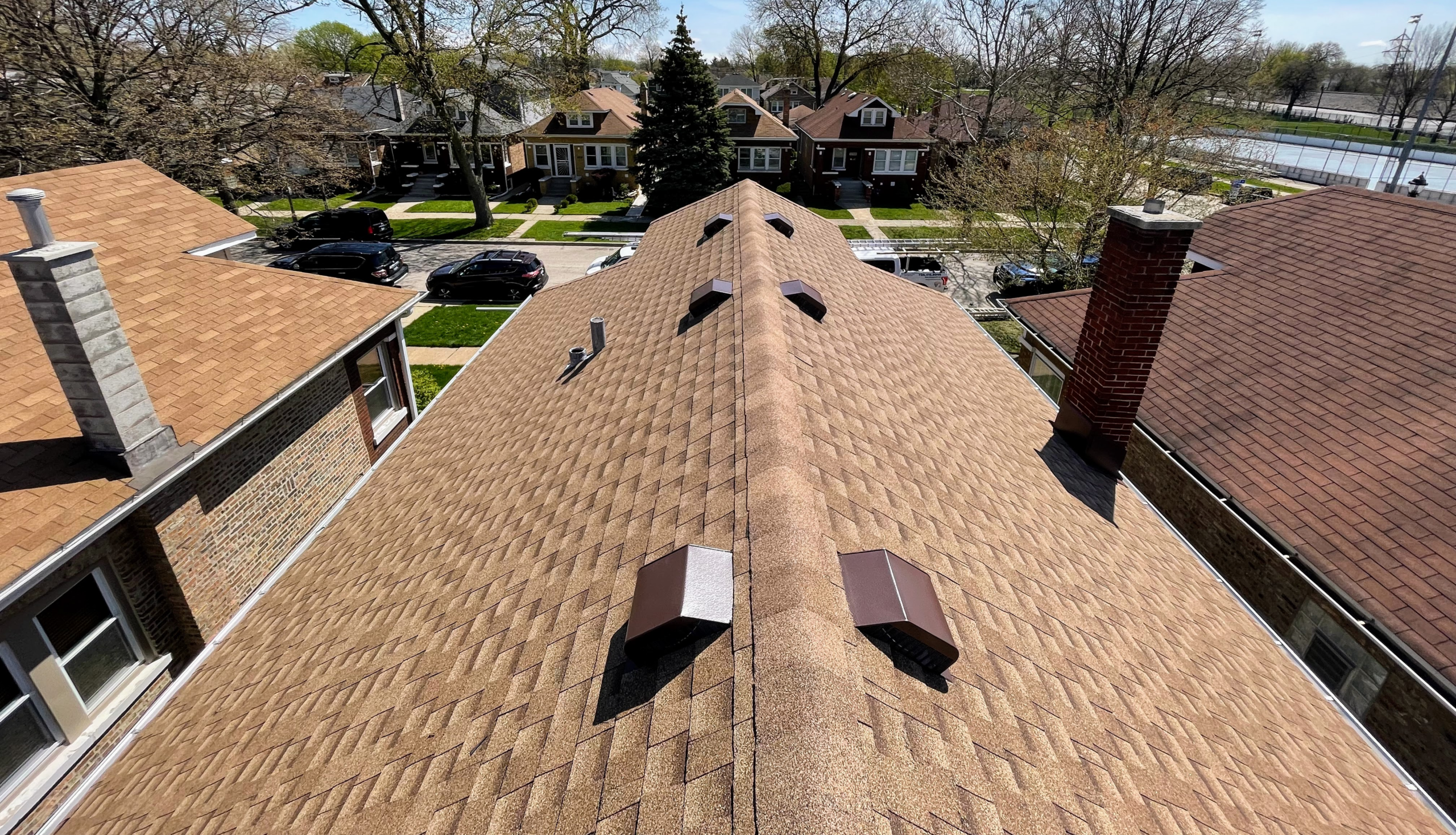
Hail often dents gutters, vents, flashing, and roof caps.
Pro tip: Insurance adjusters often use soft metal damage as proof of hail impact.
Bruised Shingles
A bruise forms when hail compresses the shingle mat underneath.
Inspection tip: If a shingle feels soft when pressed, it may be bruised.
Splitting
Hail can crack or split shingles, especially on older roofs.
Important: Splits allow water to enter your home.
Wind-Driven Hail
Strong winds increase hail impact and damage.
Claim tip: Wind speed records can support your claim.
Hailstone Size Categories
Hail sizes range from pea-sized (0.25”) to golf-ball-sized (1.75”) or larger.
Why it matters: Insurance companies often consider hail size when approving claims.
Important Insurance Terms Explained
Knowing insurance language helps you avoid confusion during a hail damage insurance claim.
Actual Cash Value (ACV)
ACV pays the depreciated value of your roof based on age and wear.
Tip: Some policies only offer ACV coverage.
Replacement Cost Value (RCV)
RCV covers the full cost to replace your roof without depreciation.
Pro tip: RCV coverage provides stronger protection.
Depreciation
Depreciation lowers your payout as your roof ages.
Insurance insight: RCV policies refund depreciation after repairs.
Deductible
The deductible is the amount you pay before insurance coverage begins.
Homeowner tip: Always confirm your deductible before filing.
Adjuster
An adjuster inspects your property and decides coverage.
Pro tip: Be present during inspections and bring a roofing professional.
Public Adjuster
A public adjuster works for you, not the insurance company.
Why hire one? They can help maximize your settlement.
Scope of Work
This document lists approved repairs or replacements.
Pro tip: Review it carefully to ensure nothing is missing.
Policy Exclusions
Exclusions describe what your policy does not cover.
Important: Always review exclusions before filing.
Additional Roofing Components Insurance Looks At
Insurance companies also inspect supporting roof parts.
Underlayment
Underlayment adds water protection beneath shingles.
Inspection tip: Hail can damage it even without visible shingle damage.
Flashing
Flashing seals roof joints and edges.
Claim tip: Damaged flashing must be included to prevent leaks.
Mitigation
Mitigation includes steps taken to stop further damage.
Homeowner responsibility: Failure to mitigate may hurt your claim.
Supplemental Claim
If more damage appears later, you can file a supplemental claim.
Pro tip: Keep records of all findings and repairs.
Claim Denial
A denial means the insurer refused coverage.
What to do: Professional help may be needed at this stage.
How to File a Hail Damage Roof Claim
Follow these steps to protect your home and claim:
- Document the damage with photos and videos
- Contact your insurance company promptly
- Schedule a professional roof inspection
- Attend the adjuster inspection with your roofer
- Review the scope of work carefully
- File a supplemental claim if needed
Common Mistakes Homeowners Make
Unfortunately, many claims fail due to avoidable mistakes, such as:
- Waiting too long to file
- Poor damage documentation
- Missing the inspection
- Accepting the first offer too quickly
- Not hiring a qualified roofer
Because of this, guidance matters.
Why You Should Work With Make It Happen Roofing
At Make It Happen Roofing, we help homeowners handle hail damage roof claims from start to finish. We inspect your roof, document damage clearly, and guide you through the insurance process. As a result, our clients avoid delays, confusion, and costly surprises.
Schedule Your Free Roof Inspection
Do not wait until minor hail damage turns into leaks or structural problems.
Schedule your free roof inspection and insurance review today, and let our team help you protect your home with confidence.